
BTT
BIOWARFARE...?
Throughout human history, the weapons employed in warfare have been dictated by the available resources and technologies of a given era (Casadevall, 2012). Wars in ancient societies utilized stones, metals, leather, and wood for both offensive tactics and defensive protection. The mobility that horseback riding offered when the stirrup was adopted in Western Europe greatly improved the knights' ability to combat. World War I and World War II witnessed the rise of gunpowder, aircraft, chemicals, computers, and nuclear weapons to gain advantages against opposing countries. Simultaneously, research on the use of biological agents for warfare was ongoing in Japan and continued by the Americans post-World War II. The mid-20th century ushered in the period of biological revolution wherein powerful biotechnologies emerged for scientific progress and industrial growth in the pharmaceutical and medicinal fields—which simultaneously opened the door to potential weapons of mass destruction. Given these ongoing advancements, the threat of potential biological warfare and bioterrorism remains a real and pressing concern.
Casadavall has identified infectious disease as one of the three major existential threats to humanity. While the 1972 Biological Toxic Weapons Convention was written to limit the use of certain bioweapons, a few countries did not sign the treaty. There is also no assurance that the signed countries will fully adhere to the treaty. Bioterrorism methods have become easier to achieve as biotechnology becomes more accessible, easier to operate, and cheaper (Jansen et al., 2014). Meanwhile, these advanced technological capabilities allow the development of a biological weapon, including mechanisms that hasten the spread and increase the lethality of disease. Terrorists may potentially use these weapons to instill fear and inflict mass casualties.
While these biological attacks are alarming, hope is not lost. Despite the increasing availability of biotechnology, executing a successful bioterrorist attack still requires advanced skills. On the other hand, the same technologies have also led to improved scientific understanding of pathogens and the development of effective countermeasures. Innovation in surveillance technology has further enhanced early detection and response. While the threat of bioterrorism and biowarfare remains an ongoing concern, the likelihood of a large-scale, successful bioterrorist attack remains relatively low.
Amid the growing accessibility of biotechnology, the dual-use dilemma poses uncertainty in its use for threat and protection in biological warfare and terrorism. This article discusses the mechanisms behind biological attack, biowarfare and bioterrorism strategies, historical and recent examples, how biotechnology is used both as a tool for warfare and defense, explore global and local strategies for prevention and preparedness, and look into the steps the Philippines took in response to such global threat.
DEFINITIONS OF BIOWARFARE & BIOTERRORISM
Bioterrorism refers to the deliberate or threatened use of biological agents; virus, bacteria, toxins or other agents to cause illness or death in people, animals, or plants (Bedada et al., 2017). Biowarfare on the other hand refers to the intentional use of living pathogens as weapons in armed conflict settings (Oliveira et al., 2020). Though both involve the use of biological agents causing catastrophic events and damage to the public health and safety, the key difference lies on the actors and intention: bioterrorism aims to instill fear, create chaos and death by non-state actors like terrorist and extremist group, whereas biowarfare is establish by state group like military not only causing death but also weaken the enemy force and render unusable area making them hazardous to unprotected people.
Biological agents are the microorganism either in naturally (diseased corpses of animals) or modified form (gem warfare) containing bacteria and viruses that capable of causing illness or death on human, plants or animals, whereas bioweapons or biological weapons are pathogens or toxins created from the biological agents that have been intentionally weaponized for hostile usage like wars. Both cause significant harm and threats affecting human lives (Roffey et al., 2002).
Historically, the awareness of biowarfare and bioterrorism became considerably noticeable due to the 2001 anthrax attack or known as Amerithrax which happened in the United States. Although the restriction of using biological weapons has been outlined in the 1972 Conventions which aim to restrict the development of offensive use of biological weapons, the threat remains. As stated by Christian (2013), the definition of bioterrorism varies from different sources and has been evolving over time. In the 1990s, the definition was primarily focused on bacterial and viral as biological weapons and its potential uses by the state and, considerably, the non-state actors. However recent definitions are more broader including the following:
1
A diverse array of potential biological agents
2
Broad range of potential targets
3
The consequences of biological agents used as a weapon
Spencer expands the definition as “the use of microorganisms as weapons of catastrophic effect,” highlighting the use of a wide range of microorganisms, not just bacterial and viral but can be fungi and other bacterial agents. He further explained that it causes negative impact not just the nation’s physical but also psychological and economic well-being leading to major changes in routine activity of the affected society. Spencer also highlighted the concept of agroterrorism—the intentional attack on livestock or crops, indirectly affecting human lives through economic instability. This broader definition deepens the understanding of bioterrorism and overlaps on biowarfare.
Both bioterrorism and biowarfare show how it can affect public health and economic well-being, making them a serious threat especially in an era where science and technology are rapidly evolving over time, making it easy to modify these biological agents in a harmful way.
Biotechnology For Bad
Mechanisms
Biological Agents
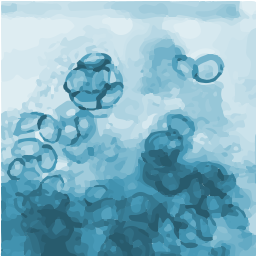
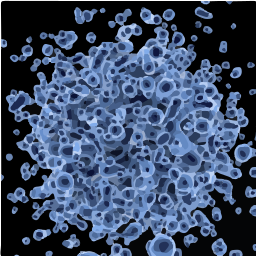
With the enormous microbial diversity on our planet, pathogenic species are capable of causing diseases to humans. The core component that makes infecting numerous people possible is through the use of disease-causing pathogenic microorganisms or toxins called Biological Agents. The US Centers for Disease Control and Prevention (CDC) has identified and categorized these agents into (Christian, 2013):
How disease spreads through Biological Agents
These microorganisms generally cause illnesses when they enter the body of an organism. Common routes of exposure of these biological agents include the respiratory system, skin and mucous membranes, and the digestive system. A host is an organism infected by a biological agent, capable of transmitting the pathogen to other organisms, including susceptible hosts. With these mechanisms, various methods of spreading these agents include (Bedada et al., 2017):
1
Human-to-human transmission
2
Contamination of food and water supply
3
Per-cutaneous
4
Oral transmission
5
Physical objects
Most of these biological agents (80%) are zoonotic in origin, and can also spread from one particular animal species to another. When a human population is attacked with a specific biological agent, it would likely pose health risks to the animal populations in that target area as well.
Biological agents can also be acquired through environmental transmission. When a particular area hosts a biological agent, the population of species near the area is likely to be infected. These environmental microbes adapted pathogenicity from non-mammalian selection pressures. As a result, environmental microbes that can survive mammalian temperatures are a major threat both in natural transmission of illnesses and as weapons for biological attacks.
Modes of delivery and Method of dissemination
While biological agents can be transmitted either through wet forms, dried forms are more commonly used with its better dissemination characteristics and advantages in storage (e.g dried powders) (Bedada et al., 2017). One of the most effective methods of delivery is through the aerosolization of these agents. The release of 1-5 micron-sized particles in an area infects and kills people faster while also being difficult to detect with its tasteless and odorless characteristics. However, non-aerosolized attacks can still result in morbidity and mortality.
Three Categories of Biological Agents
Different biological agents have different transmissibility, lethality, and way for dissemination. Given these factors, the US Centers for Disease Control and Prevention (CDC) recognized three categories of Biological Agents (Bedada et al., 2017):
A
Easily transmitted from person-to-person, high mortality rate, potential for major public health impact
B
Easy to disseminate, moderate morbidity rates, low mortality rates
C
Emerging pathogens that could be engineered for mass dissemination
Among these classifications, Category A poses the highest risk for national security due to the following features (Jansen et al., 2014):
1
They are easily disseminated or transmitted person-to-person, causing secondary and tertiary cases.
2
They cause high mortality with the potential to have a major public health impact, including the impact on healthcare facilities.
3
They may cause public panic and social disruption.
4
They require special action for public health preparedness.
Examples of Biological Agents
Major Categories of Biological Agents with Probability to be used as Bio-Weapons
(Bedada et al., 2017)
| Groups | Disease | Agents |
|---|---|---|
| A | Anthrax | Bacillus anthracis |
| Botulism | Clostridium botulinum toxin | |
| Plague | Yersinia pestis | |
| Smallpox | Variola major | |
| Tularemia | Francisella tularensis | |
| Viral hemorrhagic fevers | Filoviruses and Arenaviruses | |
| B | Brucellosis | Brucella spp. |
| Epsilon toxin | Clostridium perfringens | |
| Food safety threats | Salmonella spp., E. coliO157:H7, shigella | |
| Glanders | Burkholderia mallei | |
| Melioidosis | Burkholderia pseudomallei | |
| Psittacosis | Chlamydia psittaci | |
| Q fever | Coxiella burnetii | |
| Ricin toxin | Ricinus communis | |
| Staphylococcal enterotoxin B | Staphylococcus spp. | |
| Typhus fever | Rickettsia prowazekii | |
| Viral encephalitis | Alphaviruses | |
| Water safety threats | Vibrio cholerae, Cryptosporidium parvum | |
| C | Emerging infectious diseases | Nipah virus and Hantavirus |
Strategies
Biotechnology in Bioterrorism Strategies
The impact of a bioterrorist attack depends on the following factors (Bedada et al., 2017):
1
Agent used
2
Amount disseminated
3
Dispersal method
4
Weather/Release conditions
5
Pre-existing immunity of the exposed population
6
How quickly the attack was identified
While biological agents are already threatening in itself, biotechnology has the capacity to significantly enhance the lethality of these bioweapons. Before the 20th century, the most common dispersion method was through food and water contamination. Nowadays, biological agents can now be stockpiled; there is control in the amount of agents dispersed in a target population and when it is disseminated—reducing the impact of weather on the spread of pathogens.
Through methods of genetic engineering, the repertoire of useful biological agents has broadened. Researchers can also place resistance genes to these weapons to ensure effective transmission or difficult treatment options for the affected. Moreover, countermeasures such as vaccines can be bypassed by genetically modifying the agents to express immune modifier genes (e.g. IL-4 in ectromelia virus). Depending on the intent, agents can also be designed to incapacitate people rather than killing them.
The zoonotic nature of most biological agents enables terrorist attacks through animals. Mobile animals, such as insects, can be a medium for biological agent attacks and infect masses of people.
Biowarfare Strategies
While strategic bioterrorism includes enhancing the capacity of bioweapons to inflict as much harm as possible, biowarfare strategies focus more on the disruptions bioweapons provide towards a target country. Information warfare between countries may use bioweapons to open several vulnerabilities to societies, exploiting health crises to destabilize societies, discredit institutions, or divert political attention. During the COVID-19 pandemic, massive social and psychological impacts were apparent within local communities, causing momentary instability within a nation. The mere notion of a biological threat can create turmoil in a society by instilling anxiousness and fear in the masses, resulting in blame-shifting of politicians and public figures under media coverage.
No matter how small the biological attacks are, it can reach strategic levels of success depending on (Gisselsson, 2022):
1
How good the distraction helped complete the information war objective
2
How it triggered mass worries by using the “contagiousness” of pathogens to instill anxiety
3
How it instigates fear of severe illnesses or death to the communities
4
How the attack cannot be traced. An unknown origin of an biological attack is helpful in directing conspiracy theories towards national institutions
5
How it maximizes element of surprise and circumvent countermeasures of target countries
6
How well it creates psychological impact to frame public figures by media coverage
7
How small-scale it used to prevent the spread of pathogens back to the attacker
Historical Development and Use of Biological Weapons
600-300 BC
The first instance of biological agents in warfare can be traced back to 600 BC, when the Assyrians used fungal toxins to poison the wells of their enemies and gain military advantages. Similarly in 300 BC, the Greeks, Romans, and Persians contaminated enemy water wells with animal cadavers.
12th-15th Century
Around the 12th century, the same strategy was used by Emperor Barbarossa's troops during the siege of Tortona in Italy. Modern sources report over a thousand decomposing corpses of soldiers and animals were used to contaminate enemy water wells.
One of the most well known early attempts of bioterrorism in the 14th century is the medieval siege of Kaffa. The Mongol Tartar army thought of catapulting dead corpses of their comrades within the walls of Kaffa. The infected Genoese fled from Kaffa, weakening the defense and forcing a retreat. Modern sources speculate that the black plague spread to other parts of Europe from the escaping Kaffa victims.
Similarly, Lithuanian soldiers catapulted corpses of dead soldiers in the city during the siege of Carolstein in 1422. Lethal fevers dispersed throughout the area, frightening the people in the community.
12th-15th Century
In the summer of 1763, during the French-Indian war, British officers distributed blankets infected with smallpox to Indian tribes that were hostile to the British. During the American Revolutionary War (1776-1781), anecdotal references suggest attempts to use infected British soldiers to spread smallpox. In the American Civil War, there are unverified claims that contaminated clothing may have been used, causing widespread disease.
20th Century (The rise of modern biological weapons)
During World War I, it was frequently reported that cattle from Germans sent into enemy states had Bacillus anthracis and Pseudomonas mallei, causing severe diseases such as anthrax and glanders. The events of World War I have led to the drafting of the 1925 Geneva Protocol for the Prohibition of the Use in War of Asphyxiating, Poisonous or Other Gases and of Bacteriological Methods of Warfare.
Despite the Geneva protocol, biological weapons were expected to be used in the event of a World War II. Multiple countries started conducting research programs to develop bioweapons. Japan's infamous Unit 731 was considered as the most ambitious, spearheaded by Lieutenant general Ishii, conducting experiments on war prisoners, including Koreans, Chinese, and Russian soldiers. Experiments included the use of Yersinia pestis (Plague), Vibrio cholerae (Water Safety threats), Neisseria meningitidis, and Bacillus anthracis (Anthrax). The British army also experimented on Anthrax bombs.
During this period, the United States was far behind other nations in bioweapon research. After World War II, their scientific progress significantly hastened after they received the Japanese Unit 731 experiment results while working with the former director of Unit 731, Lt. Gen. Ishii.
The United States has conducted experiments on civilians during their research. In September 1950, San Francisco Bay was clouded with Serratia marcescens, a skin and respiratory tract infecting pathogen. Roughly one million people were unknowingly exposed during this covert operation, with several individuals having respiratory diseases, with a few of them dying in the process. Later in the decade, swarms of mosquitoes with yellow fevers were released in Georgia and Florida to verify the country's vulnerability in case of an air attack. In the New York Subway of Summer 1966, the pathogen Bacillus subtilis was released from a single station and spread throughout the whole subway network. In 1969, the former president of United States Nixon halted the program, shifting their research from offensive bioweapons to defensive countermeasures.
In 1972, the Biological and Toxin Weapons Convention (BTWC) was negotiated, signed, and ratified. While many countries signed the treaty, several countries continued researching for potential bioweapons. Among these is the United Soviet Socialist Republics, who formed the organization Chief Directorate for Biological Preparation (Biopreparat) aiming to develop bioweapons that are new, lethal, easily dispersed, and difficult to identify. The organization reportedly used genetic engineering in biological agents to enhance its aggressiveness. From the mid-1980s until the present, the number of subnational terrorist and radical groups that are independently working on offensive use of biological weapons were reportedly increasing.
Notable Recent Examples of Bioterrorism
In the autumn of 2001, a series of letters containing anthrax spores were sent by mail to US senators, journalists, and media buildings. In the process, 22 people were seriously injured, five of whom died, and probably thousands were contaminated and advised to use antibiotics for an extended period of time. The event caused much anxiety and stress, and the direct and indirect costs related to the investigation, clean-up and installation of detection equipment, scanning mail and other measures to prevent further attacks were high. Furthermore, the quality of life of those involved at the time has been badly affected. To this day, powdered letters are a regular phenomenon worldwide, usually containing hoax materials, but occasionally containing other toxic materials such as ricin.
Biotechnology For Good
Though biotechnology has been manipulated utilizing biological agents as a tool to cause destruction on public safety and health, it has also been innovating solutions that can counter these dangers.
According to Lim et al. (2005), public health officials recognize the need for rapid and accurate detection as biothreat agents can be unpredictable. Reliable platforms must be sensitive, specific and accurately detect a wide range of pathogens including modified or unknown pathogens to also verify the occurrence of a bioterrorism event. Commercial tests including biochemical tests, immunological detection devices, nucleic acid via quantitative PCR and bioluminescence tests, in addition the new developing technologies like aptamers, biochip, evanescent wave biosensors, cantilevers, and living cells are methods to further improve detection speed and accuracy.
To support this, Lim et al (2005) describe the Laboratory Response Network structured four laboratory levels from A to D to ensure organized and effective handling of biothreat agents.
A
Often in standard clinic settings that serve as the first point of detection which follow CDC standard guidelines on handling likely biothreat agents like Bacillus anthracis, Yersinia pestis, and Francisella tularensis
B
Typically in public health laboratories that verifies the identity of the suspicious organisms
C
More advanced testing to confirm the identity of species or strains using molecular and typing methods
D
The highest level consists of facilities like CDC and US Army Medical Research Institute of Infectious Diseases to handle advanced analysis on biothreat agents
Lim et al. (2005), further introduces different detection and developing technologies detecting and identifying these biothreat agents associated with bioterrorism and biowarfare. From sample processing to detection technologies, these wide variations of microbial agents are treated ensuring the minimization of the potential spread caused by these pathogens.
Preparation
Firstly, the study introduced the sample processing wherein biological agents are put in a preparation before proceeding on the detection process. These include removal of other substances as they can interfere during the detection of biothreat agents, ensuring better accuracy and reliability of the detection technologies
Sample matrix processing
A method that prepares the sample matrix by separating, concentrating and purifying. Sample matrices can be on a variety of compositions the following are examples of specific sample types: food, water, human specimens (blood, urine, stool specimens, nasal and throat swab specimens), powders and soil, aerosols and surfaces. These sample types are commonly tested for the presence of biothreat agents, due to the variety of compositions, different sample preparation methods are required on each sample matrix like centrifugation, filtration, dielectrophoresis, immunomagnetic separation and nucleic acid extraction.
Detecting technologies
Following the sample processing, the study proceeds to the different detection technologies which vary on specificity and applicability. From manual to advanced, each has their own strength and constraint on detecting and identifying the presence of biological agents. May it vary on the speed, specificity, type of biological agent or others may need further testing, understanding their usage helps to recognize their role in reducing these threats impacted by bioterrorism and biowarfare.
Biochemical Tests
Biochemical tests are categorized in manual and automated. Manual Biochemical tests where most machines used in local clinic and hospital laboratories are not built to detect biothreat agents; thus, labs follow step-by-step processes to reduce potential false results and act fast on removing biothreat agents. Using testing and presumptive agent identification protocols to identify the following bacterias such as Bacillus anthracis, Yersinia pestis. Francisella tularensis and Brucella spp. On the other hand, automated biochemical tests which are mostly are not developed enough for identifying and detecting biothreat agents however some new systems offers biothreat update package using pattern recognition mainly Substrate utilization pattern (fingerprinting) which uses VITEK and MicroLog, and Fatty acid profile which uses MDA Sherlock System.
Immunological detection devices
Immunoassay which is widely used in medical, pharmaceutical and food industries where it detects biothreat agents through targeting antigen to trigger immune response. Andreotti et al. made a comprehensive four core component of the immunoassay mainly “(i) the antigen can be detected; (ii) the antibody or antiserum used for detection; (iii) the method to separate bound antigen and antibody complexes from unbound reactants; and (iv) the detection method.”However it can only detect one analyte per assay, antibody quality limits the specificity and PCR and other DNA-based sensitivity levels are higher than immunoassay. However, there are platforms and devices used in immunoassays which are called “smart ticket” technology: Solid support platforms like Luminex xMAP, BV technology, Bio-detector, and DELFIA, and Lateral flow platforms.
Nucleic acid detection via quantitative PCR
QPR combines PCR amplification with simultaneous detection using fluorescence dyes. Specific detection format is a dual-labeled fluorogenic probe containing the fluorescent dye and quencher dye to enable the change in fluorescence whereas non-specific detection format is where fluorescence is bound to DNA when using DNA-intercalating dyes. The non-specific format is more cost-efficient than specific and useful for optimizing PCR conditions and checking primer specificity. Q-PCR is highly versatile in its application, it can be useful for quantifying presence or absence, rapid confirmation testing or monitor gene expression. However Q-PCR has its own limitation as the accuracy and identification of bacteria is limited to the bias inherent in nucleic acid technique and the presence of inhibitors can result in false negatives. Hence new advances are made: Q-PCR thermocycler platforms and PCR reagent kits for biothreat agents.
Bioluminescence detection
Widely applied in clinical, food and environmental settings to detect bacterial contamination. The most common example of bioluminescence detection is Luciferin-luciferase reaction where the amount of ATP correlates to the biomass proportionally. Since ATP is found in all living cells, the step by step process of eliminating ATP contamination from non-target sources is required involving the use of detergent to lyse the non-target cells so only the intended cells are monitored. Systems like Profile-1 hand-system paired with Filtravette sample processing unit to detect bioluminescence and remove non-bacterial ATP sources, these combined systems are also effective on detecting contamination on meat carcasses, test biological aerosols and identify Bacillus species spores in powder. However these methods lack specificity as it only indicates the presence of ATP-producing microorganisms, requiring further testing for serious threats.
Developing technologies
Developing technologies can help in identifying and detecting biothreat agents, from biochemical detection to chemical and physical detection, these advanced developing sensor technologies are paired with transducers that can convert response into a signal suitable for analysis.
Biochemical detection
Involves measuring products and enzymatic activity of enzymes during microbial metabolism, though it tends to be less specific than antibody- and nucleic acid- based methods as the product and enzyme is also present in other organisms. One example of biochemical detection technology is electronic nose devices which employ transducers like conducting polymers with chemicals that react with specific volatile organic compounds or games. This sensor can also be used to detect multiple analytes, microbes in food and infections and are used by researchers to identify volatile organic compounds produced by bacteria or fungi. Though it can be rapid and sensitive, it requires complex pattern recognition software to interpret data and lacks specificity due to different microbes also producing similar volatile compounds. Conducting polymers which are organic polymers conduct electricity to detect biologically produced chemicals from microbial metabolism such as toxins, can be doped with enzymes, antibodies or other biomolecules as it targets biological compounds like glucose, urea, and cholesterol which are useful as biochemical detectors.
Some biosensors can detect bacterial toxins through the inhibition of enzymes such as portable sensors for anatoxin-a, a toxin produced by a certain cyanobacteria that uses electrochemical transducers to detect the activity of acetylcholinesterase though it can be nonspecific since other compounds also inhibit the acetylcholinesterase activity. To compensate, scientists have created mutated versions to increase sensitivity. Another biosensor is β-Galactosidase activity with amperometric detection which is used to quantify fecal coliform group of bacteria like E. coli and Klebsiella pneumoniae which enhanced specificity through electrodes functionalized with antibodies or phage to lyse bacteria followed by the amperometric detection of β-Galactosidase activity.
Tissue and cell-based detection
Used to identify biothreat agents using intrinsic response to detect toxins and infectious foreign substances to a specific type of cell with a sensor containing action potential signal, typically measured by electrode or optical detector. The cells may originate from unicellular organisms or tissue types like nerve or heart cells and it can be either primary or immortalized. Biosensors use cells from neurological and cardiac tissues to detect harmful substance like biological threat agents, some examples are cardiomyocytes — genetically engineered to respond selectively to a specific functional activity, neuronal cells — an automated biosensor that responds to the biological toxins tetrodotoxin and tityustoxin. However these biosensors are only limited on expired toxins and are not capable to shape or sequence recognition like antibody and nucleic acid sensors but can be advantageous when the threat is unknown.
Another example is B lymphocytes, a cell found in the human that displays surface antibodies acting as pathogen receptors. Although undeveloped, researchers like Roder et al. have enhanced the system through aequorin and pathogen-specific surface antibodies. It may provide increased specificity to the cell-based system, it still faces the antibody cross-reactivity problem and has the same storage and maintenance as the other cell-based system. Chromatophores, found in cold-blooded animals that are responsible for pigmentation and change color when animals are exposed to biologically active substances like pesticides, neurotransmitters and bacterial toxins which can be observed using a microscope or spectrophotometer. Chromatophores from fish do not grow thus it does not need to be replaced frequently and has an ability to detect harmful chemicals, biological toxins, toxin-producing pathogens and other biologically active agents.
Immunological detection
Antibody-based and similar affinity probes are technologies that utilize the immune system specificity to target agents of interest through shape recognition technologies that detect a wide range of biothreat agents. Research about immunological detection is focused on improving sensitivity and specificity of antibodies however other types of shape recognition technologies are under investigation. Using affinity probes can potentially recover live organisms. The following are examples of antibodies, affinity probes and detectors: Antibodies and fragments Aptamers and peptide ligands, Flow cytometry, Biochip arrays, Surface plasmon resonance-based biosensors, Evanescent-wave biosensors, Cantilever and acoustic wave and Quantum dots and upconverting phosphors.
Chemical and Physical Detection
Utilize biosensors that detect physical and chemical properties of the target analyte like mass spectrometry, Raman spectrometry, and intrinsic fluorescence/luminescence. One method of chemical and physical detection is the multi wavelength UV/visible spectroscopic method which uses light-scattering and absorbing to differentiate vegetative cells and spores but it is nonspecific and needs extensive sample preparation on a non absorbing medium to produce a clean target. Mass spectrometry, particularly the MALDI-TOF method, identifies the molecule by weight. It can detect mainly proteins from bacteria and viruses, intact bacterial cells and spores like Bacillus thuringiensis and Bacillus atrophaeus. MALDI-TOF method is a fast system that works only with small sample volume, requires little sample preparation and is capable of identifying all the types of biological agents. Despite being the most used approach, it requires a highly concentrated sample, needs to develop complex fingerprints on every target and lacks specificity in mixed targets. FLow field-flow fractionation can improve MALDI-TOF/mass spectrometry to help in separating articles on the mixed targets.
Another chemical and physical detection method is the Electrospray ionization Fourier transform ion cyclotron resonance (EIS-FTICR) that is used to analyze alleles such as variable-number tandem repeats and single-nucleotide polymorphisms but require DNA base pairs shorter than 200. Surface-enhanced Raman scattering (SERS) is another method that studies nucleic acids, pathogens, and toxins and requires multiple fingerprints on each target analyte. Methods by Bell et al. (adding sodium sulfate and thiosulfate) and Zhang et al. (used silver firm) are used to detect dipicolinic acid and improve sensitivity. SERS method can differentiate between viable and nonviable organisms and specific toxins in mixed samples and incorporated a biochip platform that used antibodies to capture target analytes that detect listeria and legionella species, bacillus species spores, cryptosporidium parvum and cryptosporidium meleagridis. The last method mentioned is the Near-infrared SERS method that identifies different spores like Bacillus stearothermophilus, strains like Escherichia coli and urinary tract infections.
What Institutions Can Do
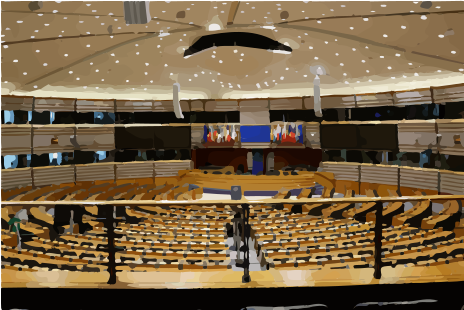
Given the complexity of biothreat agents, institutions play a pivotal role in enhancing detection, response and increasing awareness. The 2001 anthrax incident heightened concern on biowarfare and bioterrorism, yet many hospitals still lack preparedness for biological threats. In a research conducted by the UK emergency department, 24% lacked isolation facilities and merely 61% with an independent ventilation system. Moreover, 27% of patients with suspected SARS and 23% with chickenpox would not be transported to an isolation facility, reflecting inadequate isolation protocols (Christian 2013).
These inefficient protocols effectively increase the widespread infection and highlight the urgent need for stronger preparation, detection and response not just within the hospital but across government, institutions and scientific and health professionals that can help to mitigate the risk and offer collective response between these sections.
Government and Institutions
The governmen's role is vital in preparing and responding against bioterrorism and biowarfare by implementing regulations and measurement that enhance clinical environments and raise public awareness. Government efforts are crucial in restricting dangerous biological agents, establishing a significant relevance of animal disease occurrences for human health, improving detection of diseases and implementing bioterrorism preparedness to reduce potential negative impact on society.
Bedada et al., (2017) establish general measures that the government implements.
1
Public Awareness
-Raising awareness through educating the public about biological agents and their associated threats and risks.
2
Pest Control
-Initiate measures of insects and rodent control.
3
Clinic and Laboratory Measures
-Improve clinical isolation of suspected and confirmed cases to avoid transmission.
-Emphasizes the importance of early diagnosis for handling casualties.
-Establish a confirmatory laboratory diagnostic across a network of specialized laboratories.
Gisselsson (2022) also suggested an increase of civil-military synergy can help future biodefense.
Scientific and Health Care Professionals
The increase of biowarfare threat agents demands proper precautions, while it can be mitigated through immunization, pre- and post- exposure prophylaxis, therapeutics and protective clothing, it requires timely interventions. Vaccination on the other hand, plays the most practical role as they are developed to offer ongoing protection. However, countering bioterrorism is not only the responsibility of a sole discipline, as the coordination and collaboration of scientific and health care professionals like scientists, health-care providers, veterinarians and epidemiologists, play a central role in addressing global impact of bioterrorism (Bedada et al., 2017).
I. Critical Care and Clinical Response
Health care providers must be equipped to provide care during stressful conditions but still address emergency protocols, among these frontliners are the clinical care physicians who play a critical role in diagnosing and treating patients during emergencies. One general measure includes ensuring the enhancement of clinical care physicians knowledge and skills (Bedada et al., 2017). To support this, Christian (2013) discussed that supportive care encompasses two components: individual patient treatment and mass casualty event management. Thus, the Task Force for Emergency Mass Critical Care offers guidelines for preparation and handling large numbers of critically ill patients which clinical care physicians are expected to be familiar with to handle large-scale bioterrorism incidents and to ensure preparedness in bioterrorism and biowarfare attack. Additionally, critical care physicians are the first line defense on recognizing bioterrorism; while detection technologies like sampling and syndromic surveillance exist, it would usually take 3-6 days to confirm an outbreak, in contrast to clinicians that can detect these outbreaks much sooner simply by observing clusters of patients with usual or rare disease.
Effective response to these threats require the collaboration of clinicians and public health officials, diagnosis of a single case like smallpox can alarm the public however a disease that is naturally occurring, rare or unknown can be seen as nonthreatening unless clusters of cases are identified in various locations. An instance is an anthrax attack, if a physician encounters an individual case, it may not provoke immediate concern however if the anthrax attack takes place in multiple locations at once, particularly airports where disease can spread nationally and internationally, would trigger immediate alert and concern. This example highlights situational awareness relying on regional, state or federal public health agencies but due to challenges in distinguishing between an epidemic or bioterrorism, coordination, preparedness and surveillance are crucial in handling and preventing widespread caused by bioterrorism and biowarfare.
II. Veterinary Surveillance
Bedada et al. (2017) emphasized the role of veterinarians and veterinary diagnostic laboratories on participating nationwide active surveillance systems for bioterrorism. Biothreat agents can infect both humans and animals thus early diagnosis in animals must be observed as it can be an indication of bioterrorism and biowarfare attack hence involving veterinarians in tracking categories A, B, C, agents, diseases and new and emerging bioterrorism agents.
III. Scientific Prescriptions for Biodefense
Casadevall (2012) outlines several prescriptions to strengthen biodefense including the ongoing advancement of specific diagnostic assays and countermeasures like vaccines, drugs, and antibodies for high risk threats recognized by the existing matrix threat analysis. This is essential as biothreat agents still remain a threat in the future and by enhancing countermeasures, these agents can be overcome when an outbreak happens.
Casadevall also suggested developing host-targeted strategies to temporarily boost immune function responses as a defensive approach to a wide variety of threats which would protect against both known and unknown dangers. Furthermore, he highlights developing innovative methods to assess health that could enable tracking of the population in identifying the appearance of new agents as not all approaches can be sufficient in identifying infections. One example is the epidemic of HIV that happened in 1981, clusters of people were infected with illness only to find out that they were suffering from AIDS. However HIV comes before AIDS, thus HIV has been spreading silently without symptoms. Thus developing advanced methods that can identify earlier signs would be effective before an epidemic could happen.
In addition, understanding microbial disease on animal species as they can be a source of new pathogenic microbes that can affect human and wildlife. Finally, collective teamwork on establishing scientific study enabling effective response and defense against biothreat agents.
IV. Medical Intelligence
In strengthening biodefense, Gisselsson (2022), emphasized that medical intelligence is essential through (1) an updated and thorough assessment of the technological capacity to prevent surprises during bioterrorism and biowarfare attack, (2) a proficient research expertise and infrastructure to produce reliable data to combat misinformation and (3) extensive datasets on biothreat agents enabling experts to grasp their mechanisms and provide development of countermeasures against threats
He further suggested the following methods for an effective approach in medical intelligence including the use of information countermeasures with current and validated data as a means to defend against damaging narratives that may emerge during biological attacks. A rapid autopsy of fatalities caused suspicious new biological dangers enabling faster identification; ensuring secure data transmission and storage, along with computational capabilities to analyze biological data and direct information to vaccine producers and lastly regularly updating expert scientists and health professionals to ensure connection and respond when emergency happened
Interdiscipline
A stronger collaboration in fighting these biothreat agents among scientific and healthcare professionals, along with government and institutions, will facilitate collaborative responses to combine stronger force and partnership to ensure elimination and reduction of threats posed by bioterrorism and biowarfare.
Gisselsson (2022) proposed creating an expandable network of expertise and infrastructure to enhance medical intelligence by collaboration between scientists and national governments. He also argued that societies need to expand their focus beyond on traditional biodefense such as biosurveillance, stockpiling vaccines, drugs and PPEs, as these are insufficient to keep up with the rapid evolution of biothreat agents. Instead must focus on rapid implementation of next-generation technologies that can characterize new and emerging threats and fostering attribution and enhanced collaboration among government, defense industry, healthcare providers, commercial biotech sensor and medical research organizations that can offer support during crises.
WHAT YOU CAN DO
As we have seen, biohazards pose a great threat to communities around the world. It was made evident to people when the COVID-19 pandemic has continued to bring lasting effects worldwide with regards to medicine, hygiene, and policies. With this in mind, it is imperative that we, the community, know how to deal with future biohazards and bioagents similar in nature.

The U.S. Department of Homeland Security, through their website Ready.org, categorizes biohazard preparedness in three stages: before, during, and after exposure. Before exposure they recommend to:
1
Have an emergency kit ready with supplies
2
Have a plan for emergencies—where to go, who to contact, what things to bring, etc.
3
Install a high-efficiency particulate air (HEPA) filter in the house to reduce the risk of bioagents contaminating the air.
4
Keep immunizations and immunization records up-to-date.
During a possible biohazard event, people should stay tuned to the news on the television, internet, or radio for the latest information regarding the symptoms and duration of the disease, areas at risk, possible/distributed medications, and check-up and quarantine centers. The following actions are also advised:
1
Get away from areas with suspected suspicious substances.
2
Practice good hygiene—frequently wash your hands with soap and wear clean garments.
3
Cover your mouth and nose with layers of fabric whilst being breathable (e.g. 2-3 layers of handkerchief/t-shirt/towel).
4
Do not share food, water, or utensils.
5
Avoid crowds of people.
In the case that you yourself have been exposed to the biological agents, you should remove and bag your personal belongings, including your clothes. Follow instructions on how to dispose of contaminated items. Then you should contact relevant authorities and seek medical assistance, especially if your symptoms match those described. For the meantime, you should stay away from other people and expect to quarantine yourself.
Philippines' Role in Biowarfare Discourse
In 2022, the Biological and Toxins Weapons Convention (BTWC) took a leap forward in its 9th Review Conference. Before, the BTWC had lacked a proper framework for biological weapon compliance and verification. However, the conference agreed to form a working group to develop compliance and verification frameworks, paving the way for possible negotiations on a legally binding protocol. The Philippines' delegation played a proactive role during the event, facilitating deliberations on international cooperations and assistance, and led the drafting of the outcome document. Additionally, the delegation prepared and oversaw the Association of Southeast Asian Nations' (ASEAN) Joint Statement's approval (Domingo, 2023).
From July 27 to August 2, 2022, the United States government and the Philippine government discussed existing and future biological threat reduction, as well as potential measures for chemical security capacity-building in the Philippines. The United States' Defense Threat Reduction Agency (DTRA), through its Cooperative Threat Reduction (CTR) Program, met with representatives from the Department of Health (DOH), the Department of Agriculture (DA), the Department of Science and Technology (DOST), and the Department of Interior and Local Government (DILG). In order to help the Philippines prepare for and defend against biothreat agents, the CTR Program commits to support activities that enhance interagency systems, communication, and other capacities over the course of the following five years.
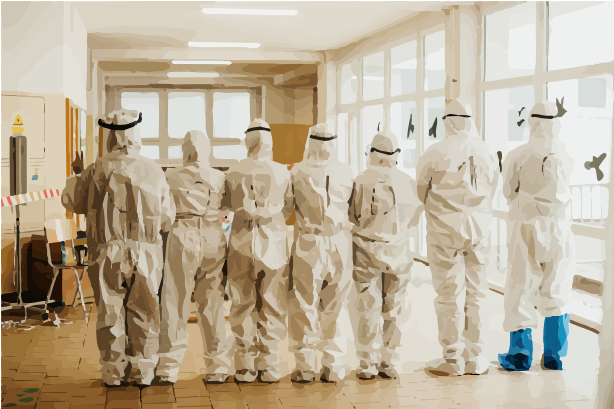
Recently, March 17 to 19, 2025, the Philippine Army held the country's first Chemical, Biological, Radiological, and Nuclear (CBRN) warfare summit. During the summit, cohesive and strategic approaches were formulated to enhance the army's CBRN defense capabilities, including biological threats. The Philippine Army was expected to strengthen its readiness, intelligence, and collaboration against CBRN threats.
 Source: canva.com
These recent, serious efforts of the Philippines signal a growing national commitment to biosecurity. Through diplomatic engagement, international partnerships, and military preparedness, the country is taking significant steps toward preparing itself against potential biological warfare and bioterrorism threats.
MOVING FORWARD
Development of Preparation and Mitigation Strategies
The use of biotechnology in biowarfare and bioterrorism as weapons and defensive mechanisms can potentially increase the severity and lethality of attacks or strengthen protection. The 1925 Geneva Protocol and the 1972 Biological and Toxic Weapon Convention (BTWC) still stands as an important international framework for global cooperation and bioweapon regulation. Development and production of any bioweapons for use in war is strictly prohibited under the convention. However, many nations, including the United States, Japan, and Union of Soviet Socialist Republic, continued bioweapon research despite treaty signatories. Although internationally recognized, the BTWC do not have the capacity to inspect bioweapons from signed countries and have only broadly defined which activities or weapons are prohibited (Jansen et al., 2014).
To address this limitation, governments have created and determined a restricted list of dangerous bioweapons and toxins. Mere basis of possession alone may warrant a prosecution to the carrying individual. The same list is also used to develop countermeasures for biological attacks, including:
1
Increased vigilance
2
Detection devices
3
Diagnostics
4
Vaccines
5
Drugs
6
Therapeutic immunoglobulins
Moreover, the same restricted list is used to analyze factors contributing to the threat of a biological agent, and attempt identifying other potentially dangerous microbes using an algorithm. The algorithm parameters include:
1
Mortality
2
Need for hospitalization
3
Likelihood for dissemination
4
Availability of countermeasures
5
Public perception
Numerous microbial diseases, including the human immunodeficiency virus (HIV), severe acute respiratory syndrome (SARS) coronavirus, Ebola virus, and the recent CoVid-19, emerged in recent years. Humanity will continue to identify and confront new microbial threats, which can potentially be used as biological agents in the future (Casadevall, 2012).
In 2003, the spread of SARS coronavirus witnessed international cooperation, strong surveillance, and a healthy research environment, enabling rapid identification of the agent. The emerging biotechnologies and multidisciplinary approaches from this period developed deep molecular understanding and diagnostics and vaccine candidates. All of these developments were crucial in containing the recent, highly contagious COVID-19 (Aileni et al., 2022). These developments highlight that any understanding and development of any defense strategy against current biological agents also considers and develops countermeasures for unidentified threats in the future.
Developments in Biotechnology from the COVID-19 Experience
The recent COVID-19 experience exposed the global community's lack of preparedness for a rapid pandemic virus spread, resulting in significant human morbidities and fatalities in the initial days of the pandemic (Aileni et al., 2022). However, it also led to multiple advancements in Biotechnology, including development in diagnostics, broadened understanding of vaccine platforms, immunoinformatics, and Artificial Intelligence (AI) applications.
I. Diagnostics
In the event of biological attacks, diagnostics tests are pivotal in determining the severity and transmissibility of an illness. Identifying the disease's threat as soon as possible is crucial in determining a community's preparation and mitigation strategies. The tests' reliability and effectiveness is also essential to prevent false-positives or false-negatives tests. The COVID-19 has made significant improvements in diagnostic tests, including:
1
Reverse Transcription-Quantitative Polymerase Chain Reaction
2
Isothermal Nucleic Acid Amplification
-RT-LAMP
-Transcription-Mediated Amplification
3
CRISPR-Based COVID Detection Assay
4
Microarray Nucleic Acid Hybridization
5
Genome Sequencing
6
Biosensor improvements
7
Serological and Immunological Assays
-LFIA (Lateral Flow Test)
-ELISA (Enzyme-Linked Immunosorbent Assay)
-Enzyme-Linked Immunospot (ELISpot)
8
Neutralization Assay
9
Rapid Antigen Detection Test (RADT)
10
Luminescent Immunoassay
II. Vaccine Platforms
Developing vaccines often have poor success rates and often takes around 10 to 15 years. Because of the pandemic's threat, urgent breakthroughs in vaccine development platforms have shortened the time significantly to 12-18 months. According to current available data, there are 14 COVID-19 vaccines that have cleared clinical trials and have been approved for worldwide use. These vaccines can be classified under different types of vaccine platforms:
1
Viral Vector Vaccines
-Non-replicating Viral Vector Vaccines
-Replicating Viral Vector-Based Vaccines
2
Nucleic Acid Vaccines
-DNA Vaccines
-mRNA Vaccines
3
Vaccines based on recombinant proteins (subunit and VLPs virus-like particle)
4
Virus-based
-Live Attenuated Vaccines
-Inactivated Virus Vaccines
III. Immunoinformatics in Vaccine Preparation
Immunoinformatics refers to the process of data-gathering through antigenic variation comparisons, which is then stored, managed, and analyzed for future use. Because viruses, including COVID-19, can mutate into different variations, the information gathered through immunoinformatics allows scientists to design polyvalent COVID-19 vaccines.
IV. Artificial Intelligence (AI) in the Pandemic Times
With the use of machine learning, deep learning, and deep neural network technologies, AI tools were used to detect early COVID-19 diagnosis during the pandemic. Currently, AI is now used to differentiate COVID-19 from community-acquired pneumonia using a deep learning model COVID-19 detection neural network (CovNet). AI also has the potential for redesigning COVID-19 vaccines, highlighting its versatility in healthcare preparation and combatting viruses.
Moving Forward
Looking at the current advancements in biotechnology, there are plentiful biotechnology that could be used for future biological threats. Despite the broad biological attacks, how humanity has pacified the rapid dissemination of both SARS and COVID-19 brings optimism on the potential of humans to cooperate internationally for good surveillance and a healthy research environment.
REFERENCES
- Aileni, M., Rohela, G. K., Jogam, P., Soujanya, S., Zhang, B. (2022). Biotechnological perspectives to combat the COVID-19 pandemic: Precise diagnostics and inevitable vaccine paradigms. Cells, 11(7), 1182. https://doi.org/10.3390/cells11071182
- Casadevall, A. (2012). The future of biological warfare. Microbial Biotechnology, 5(4), 584-587. https://doi.org/10.1111/j.1751-7915.2012.00340.x
- Christian, M. (2013). Biowarfare and bioterrorism. Life-Threatening Infections: Part 1, 29(3), 393-794. https://doi.org/10.1016/j.ccc.2013.03.015
- Domingo, J. (2023). Advancing Biological Weapons Convention (BWC): The Philippine role. APLN. https://www.apln.network/analysis/the-korea-times-column/advancing-biological-weapons-convention-bwc-the-philippine-role
- Gisselsson, D. (2021). Next-generation biowarfare: Small in scale, sensational in nature? Health Security, 20(2). https://doi.org/10.1089/hs.2021.0165
- Jansen, H. J., Breeveld, H.J., Stijnis, C., & Grobusch, M.P. (2015). Biological warfare, bioterrorism, and biocrime. Clinical Microbiology and Infection, 20(6), 488-496. https://doi.org/10.1111/1469-0691.12699
- Lim, D., Simpson, J., Kearns, E., & Kramer, M. (2005). Current and developing technologies for monitoring agents of bioterrorism and biowarfare. Clinical Microbiology Reviews, 18(4). https://doi.org/10.1128/cmr.18.4.583-607.2005
- Oliveira, M. O., Mason-Buck, G., Ballard, D., Branicki, W., Amorim, A. (2020). Biowarfare, bioterrorism and biocrime: A historical overview on microbial harmful applications. Forensic Science International, 314, 110366. https://doi.org/10.1016/j.forsciint.2020.110366
- Pal, M., Tsegaye, M., Girzaw, F., Bedada, H., Godishala, V., & Kandi, V. (2017). An overview on biological weapons and bioterrorism. American Journal of Biomedical Research, 5(2), 24-34. https://doi.org/10.12691/ajbr-5-2-2
- Philippine Army. (n.d.). Army holds first-ever chemical, biological, radiological and nuclear warfare summit. https://army.mil.ph/home/index.php/press-releases-archive-2/2672-army-holds-first-ever-chemical-biological-radiological-and-nuclear-warfare-summit
- Roffey, R., Lantorp, K., Tegnell, A., Elgh, F. (2002). Biological weapons and bioterrorism preparedness: importance of public-health awareness and international cooperation. Clinical Microbiology and Infection, 8, 522-528. https://www.clinicalmicrobiologyandinfection.com/article/S1198-743X(14)62641-0/pdf
- Saavedra, J. (2023). Viscom enhances biowarfare, disaster response skills. Philippine News Agency. https://www.pna.gov.ph/articles/1205606
- Salvacion, J. (2006). Biological and chemical threats to public health and safety in the Philippines. Public Policy, 10(1), 81-102. https://cids.up.edu.ph/wp-content/uploads/2022/03/Biological-and-Chemical-Threats-to-Public-Health-and-Safety-in-the-Philippines-vol.10-no.1-Jan-June-2006-4.pdf
- U.S. Department of Homeland Security. (n.d.). Biohazard Exposure. Ready.org. https://www.ready.gov/biohazard
- U.S. Embassy Manila. (2022). U.S. to support Philippines in addressing biological and chemical security threats. https://ph.usembassy.gov/u-s-to-support-philippines-in-addressing-biological-and-chemical-security-threats/
- van Aken, J., & Hammond, E. (2003). Genetic engineering and biological weapons. EMBO Reports, 4(S1), S57–S60. https://doi.org/10.1038/sj.embor.embor860